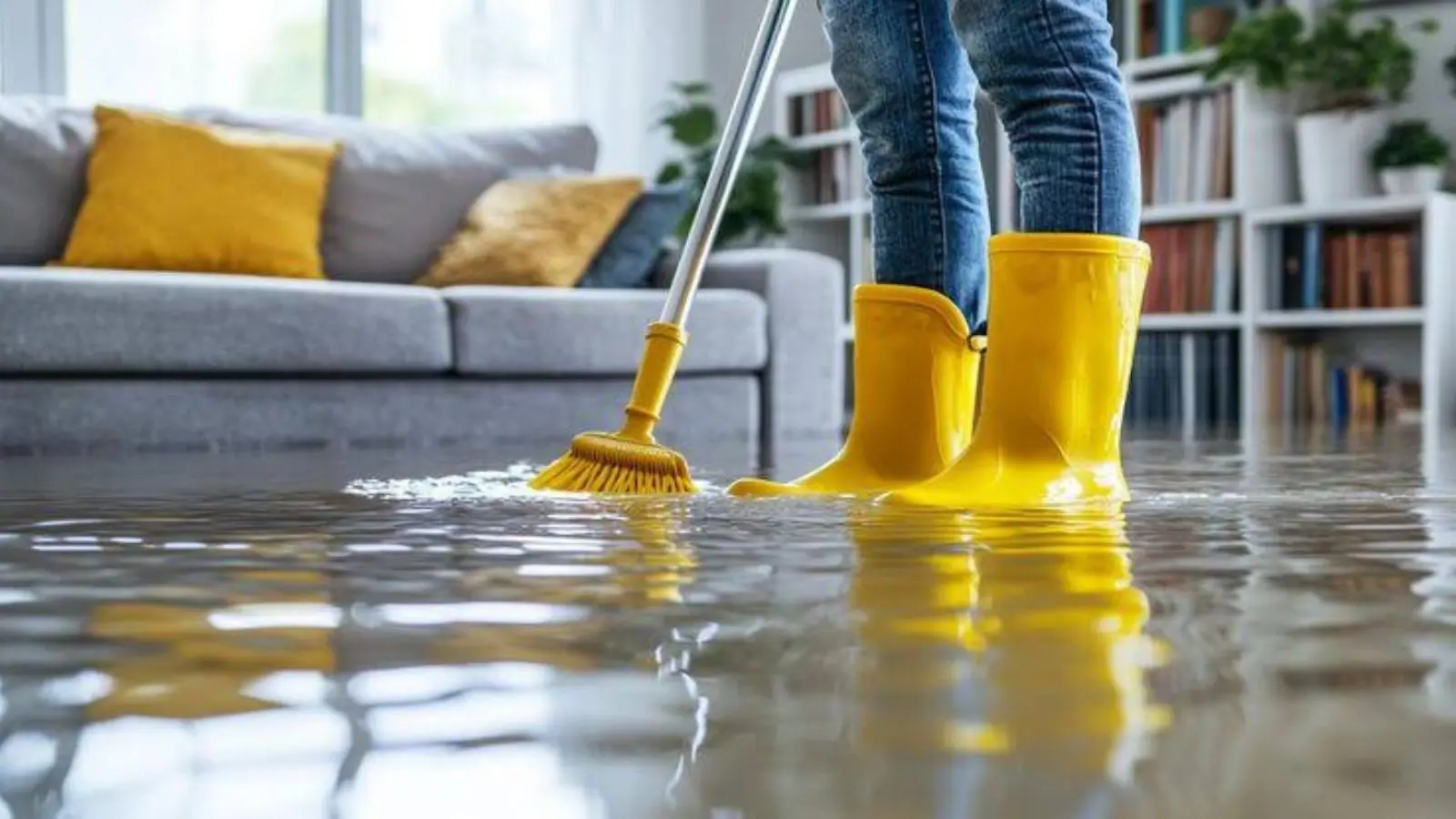
Emergency cleanup in the first 48 hours
The leak is closed, the pump has gone quiet, and the apartment still smells like wet cardboard. That is when emergency water damage cleanup in Marina Del Rey matters, and the dispatch line runs 24/7 for exactly this stage. Cleanup removes what the water ruined, treats what it touched, and prepares the space for drying and repair.
Until a crew arrives, keep wet items off the floor, open windows if the air outside is dry, and set aside anything you want assessed instead of thrown away. Do not run a household vacuum on wet carpet or touch visibly dirty water without gloves. Photograph damaged rooms and belongings before you move or discard them.
If water is still arriving, emergency water removal comes first. If the structure needs controlled drying, the water mitigation page covers that work, and cleanup runs alongside it.
Contaminated materials: dry them or discard them?
The hardest decision after a loss is what to keep. The water category, the time it sat, and the material itself drive the answer, and a technician checks the material rather than guessing.
| Material | Often dried and kept | Often removed |
|---|---|---|
| Hardwood and tile | Clean-water loss caught quickly | Long exposure or contaminated water |
| Carpet | Brief Category 1 wetting | Any Category 2 or 3 water |
| Carpet padding | Rarely | Almost always |
| Drywall | Clean water with no sag or staining | Swollen, soft or sewage-exposed sections |
| Insulation | Rarely | Wet batts are usually pulled |
| Upholstered furniture | Clean water, caught quickly | Contaminated water or odor that stays |
These are tendencies, not promises. A crew documents each decision with photos and moisture readings, which also helps an insurance conversation later.
Sanitizing and deodorizing
Cleaning comes before deodorizing. Surfaces that touched dirty water are wiped with cleaners suited to the material, and odor is dealt with at the source by removing the porous material that holds it. Covering a smell with fragrance does not fix it.
Air scrubbers and controlled airflow can clear lingering odor from the air once the wet material is gone. Hard surfaces are cleaned and allowed to dry fully, and the crew rechecks the area for moisture before anything is rebuilt.
Cleaning wet spaces also reduces the chance that dampness turns into a mold problem. If dark spots or a musty smell show up later, the mold remediation page explains how containment and removal are handled.
Cleanup in Marina Del Rey buildings
Around the basins, dense condo and apartment buildings mean cleanup happens in occupied buildings with shared hallways, elevators and parking. Ask your association about elevator reservations, debris disposal rules and loading areas before the crew arrives, since access can slow a cleanup.
Newer communities such as Playa Vista were built from the early 2000s onward, so materials and finishes are often newer there. That changes what can be dried and what has to be replaced, and a moisture reading settles the question quickly.
Odor, air quality and the days after cleanup
A smell that lingers after the visible mess is gone usually has a physical source. It may be a pad that was left in place, damp insulation in a wall cavity, or a drain trap that dried out and is letting sewer air in. Finding that source is more reliable than adding another round of deodorizer.
After the first visit, plan for follow-up readings. Crews return to check that surfaces are dry and the odor has gone. If a smell comes back after a few days, call back and say so, since it can point to moisture that was missed behind baseboards or under a cabinet.
Contents, documentation and what to keep
Document before you discard
Photograph each room, the source of the water and every damaged item. Keep a list of what was thrown out and why. Save receipts for anything you buy to protect the property. This record supports an insurance conversation, and you should ask your insurer what documentation it wants.
What affects the scope of a cleanup
- The water category, since contaminated water adds disposal and sanitizing.
- Affected square footage, counting hidden areas under flooring and behind trim.
- Materials involved, such as carpet, wood floors, cabinets and drywall.
- Drying days and equipment needed after the cleaning is finished.
- Rebuild scope for whatever had to be removed.
Insurance varies by policy. Sudden and accidental water events are often covered, gradual leaks and neglect often are not, and flood damage usually needs separate flood coverage. Read your policy and ask your insurer before approving large work.
Scope and price are explained before work starts. Want your real number? Call and describe what got wet.
Call (424) 550-5662Frequently Asked Questions
Our process follows ANSI/IICRC S500, the published standard for professional water damage restoration. It sets how water is categorized and when materials must be removed instead of cleaned. Ask any company whether its crews work to S500 before you hire.
Yes. The line is answered 24/7, including nights, weekends and holidays. Same-day response is available when crews are free. Describe what got wet and how long it has been wet, and the dispatcher will explain what a cleanup crew can do that day. No arrival time is promised.
Removing materials that cannot be saved, cleaning and sanitizing surfaces, treating odor at the source, and preparing the area for drying and repair. The exact steps depend on the water category.
As soon as it is safe. Wet materials that sit longer get harder to save, and odor sets deeper into porous items. A same-day response is the goal when crews are free.
Sometimes. Odor in hard surfaces can be cleaned away, but odor in carpet padding, insulation or soaked drywall usually means removing that material. A technician checks before recommending demolition.
Photograph them first. Items touched by contaminated water are often discarded, while some hard goods can be cleaned. Ask your insurer what documentation it wants before anything goes in the trash.
A lingering smell usually means a damp material is still in place, such as padding, insulation or the back of a wall. The crew rechecks moisture and removes the source rather than masking it.
No. Cleanup removes and sanitizes. Repair rebuilds with new drywall, flooring and paint, and it happens after the area is dry.