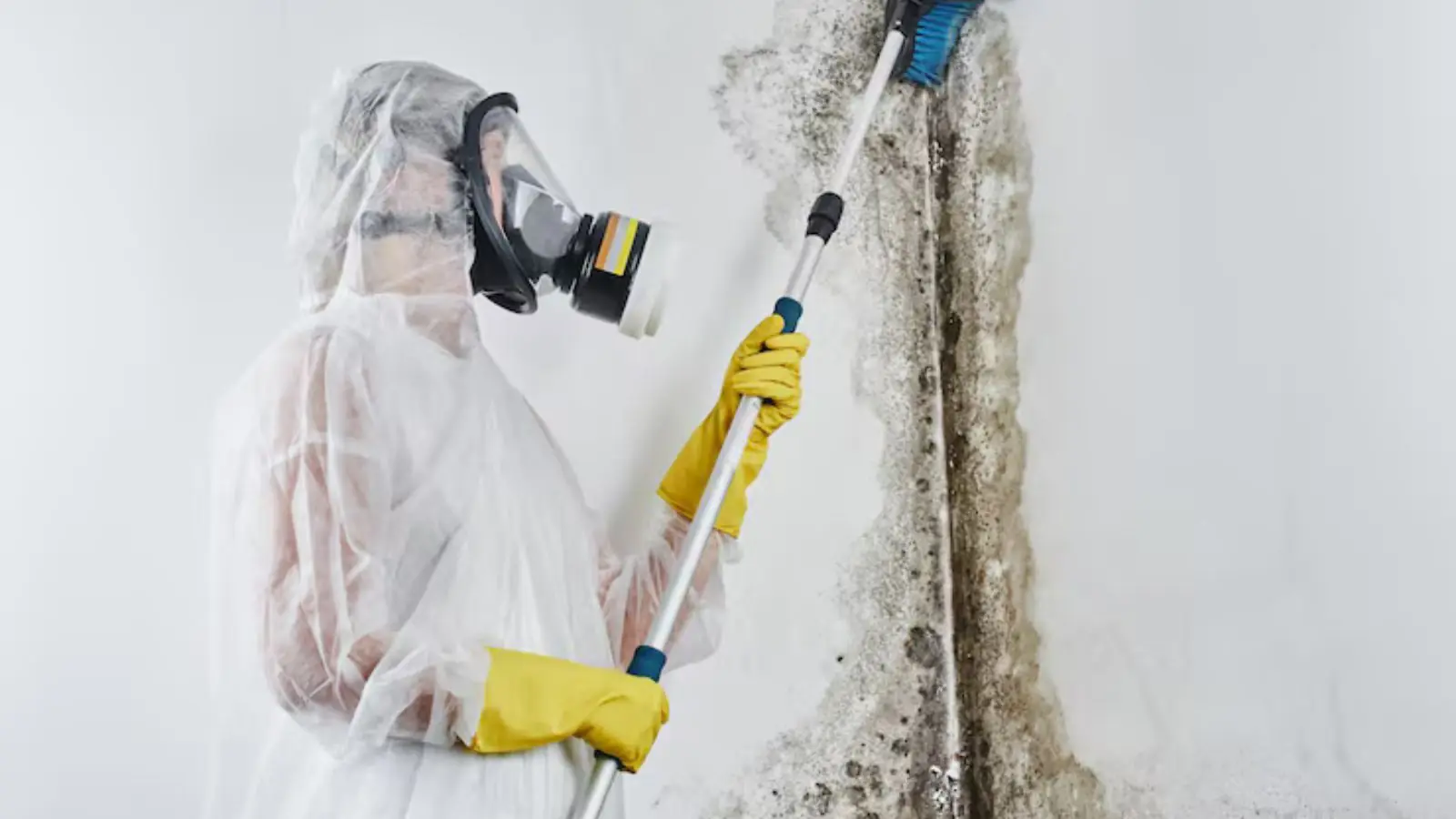
What mold remediation is, and what it is not
Mold remediation is the controlled removal of mold-damaged materials and the cleaning of surfaces around them, done so spores are not spread through the rest of the home. Mold remediation in Marina Del Rey follows ANSI/IICRC S520, the published standard for professional mold remediation, and you are free to ask any company whether its crews work to it.
Remediation is not a spray-and-wipe job. Mold needs moisture, so the first question is always where the water came from. Until a leaking pipe, condensate line or roof penetration is fixed, any cleanup will be followed by regrowth, and no honest company can promise otherwise.
Health questions, such as whether a specific exposure is a concern for you or someone in your household, belong to a physician. This page covers the building side: finding the moisture, containing the area and removing what cannot be cleaned.
A musty smell, dark spots or a wall that will not dry?
Most people do not begin by searching for remediation. They notice a smell in a closet, dark spots in the corner of a bathroom ceiling, paint that bubbles on an outside wall, or a bit of fuzzy growth on the underside of a carpet they have just pulled back. Any of these can mean moisture has been present for a while.
A visible spot is often the part you can see. Moisture meters and a thermal imaging camera help find the wet material around it, and that scope decides whether the job is a small removal or a larger one. If the leak is recent and the area is still wet, water mitigation may be needed alongside remediation.
Where mold shows up in Marina Del Rey homes
Closets and walls behind furniture
Air barely moves behind a bed or inside a closet. A small leak or condensation can keep a wall damp there for weeks without anyone noticing.
Air conditioning condensate lines
A clogged or disconnected condensate drain can drip into a ceiling, a closet or a utility room until drywall stains and softens.
Bathroom corners and shower ceilings
Steam and a failing caulk line keep the wall-to-ceiling joint damp, and growth can start where the paint has been wet for months.
Under sinks and around fixtures
A slow drip from a supply line or trap soaks cabinet bases and the drywall behind them before it shows on the surface.
Dense condo and apartment buildings around the harbor add another layer. Water from a unit above or beside you may be the actual source, which means your association and neighbors are part of the fix. Ask your association what notice it requires before work, and tell it about the leak so the source can be checked.
What to do and what not to do before a crew arrives
- Stop the water source first. Mold needs moisture, and nothing else matters while the leak continues.
- Do not scrub, sand or brush dry growth, and do not point a fan at it, since that can spread spores to other rooms.
- Keep the area closed off and keep children, pets and anyone with health concerns out of it. Health questions belong to a physician.
- Photograph the area and note when the leak started so the scope and any insurance conversation have facts behind them.
Mold Removal and Black Mold Cleanup
Black mold is a color, not a diagnosis. Dark growth on drywall, wood or grout looks the same to the eye whether it is one type of mold or another, and a laboratory sample is the only way to name it. Removal follows the same containment practices either way.
In S520 practice the work area is sealed with plastic sheeting, the air is filtered with HEPA machines, and materials that mold has grown into, such as drywall, insulation and carpet padding, are cut out and bagged. Surfaces that can be cleaned are HEPA vacuumed and wiped with cleaners suited to the material.
Bleach, vinegar and household sprays will not fix the underlying problem. Porous materials hold growth below the surface, and wiping the top does not remove it. Do not scrub the area or run a fan across it, since that can move spores to other rooms.
Mold After Water Damage
Mold after a leak or flood is the most common sequence in a building like yours. A pipe breaks, the water seems to dry, and weeks later a spot appears. The difference between that outcome and a clean recovery is how quickly wet materials were dried or removed.
Prompt structural drying, described on the water mitigation page, lowers the chance that moisture lingers inside walls. When a loss is older, water damage cleanup removes the materials that stayed wet and cannot be recovered, and remediation addresses whatever has already grown.
After remediation, water damage repair rebuilds the walls and ceilings that were removed. That order matters, because new drywall should never be installed over areas that have not been cleared.
Mold Testing and Inspection
Inspection starts with a visual check and moisture readings. Air or surface sampling is a separate step, and independent clearance testing, done by a third-party tester rather than by the remediation crew, is the usual way to confirm an area is clear after the work.
Testing before work can help when you need to confirm whether a spot is mold at all. Testing after work can help when a buyer, a lender, a landlord or an association asks for documentation. Ask whoever requests it what format they accept, since no company can promise how another party will respond.
| Situation | What usually happens | Why |
|---|---|---|
| Small surface spot on sealed tile | Cleaned and monitored | Hard surface, no moisture inside the wall |
| Spot on painted drywall near a leak | Moisture mapped, affected board removed | Mold grows into the porous board |
| Musty smell with no visible growth | Moisture readings and inspection | Source may be inside a wall or ceiling cavity |
| Growth after a flood or sewage event | Contaminated materials removed first | Higher water category changes the cleanup |
| Home sale or loan requires proof | Remediation, then independent clearance testing | Third party documentation is often requested |
How a remediation job runs
Find and fix the moisture source
A leaking pipe, condensate line or roof penetration has to be repaired or isolated, or the work will not hold.
Set containment and filtration
The work area is sealed and air is filtered through HEPA machines so spores do not drift into living space.
Remove and clean
Mold-damaged porous material is removed. Cleanable surfaces are HEPA vacuumed and wiped.
Dry and verify
The area is dried, moisture readings are rechecked, and clearance testing is arranged if documentation is needed.
Rebuild
Only after the area is cleared are drywall, insulation and finishes put back.
What shapes the scope and cost of remediation
- The water category behind the mold, since sewage or storm water changes the cleanup.
- The affected area, measured by what is wet and grown over, not by the visible spot.
- The materials involved, because drywall and insulation come out and tile can be cleaned.
- Drying days and equipment needed to bring the structure back to a dry standard.
- The rebuild scope once cleared, including drywall, paint and flooring.
Insurance coverage for mold often depends on the water event behind it. A sudden and accidental leak may be treated differently from a slow one that went unnoticed, and flood damage usually needs separate flood coverage. Ask your insurer whether mold from a covered water loss is covered under your policy.
Neighboring communities have the same questions. Owners in Santa Monica often ask the same things about leaks, condensate lines and what their association will cover.
Scope and price are explained before work starts. Want your real number? Call and describe where the mold is.
Call (424) 550-5662Frequently Asked Questions
No honest company can promise that. Mold returns when moisture returns, so the repair of the water source is the part that matters most. Remediation removes what grew and cleans the area, and drying and monitoring confirm it is dry.
Color does not tell you what kind of mold it is. Only a laboratory test can name it. Containment and removal are handled the same way, and health questions belong to a physician.
Visible mold with a known water source can often be removed without testing. Testing is useful when you are unsure it is mold, when the source is unknown, or when someone wants clearance documentation afterward.
Remediation is done first, then independent clearance testing is arranged with a third-party tester. Ask the lender or buyer what documentation they accept, because this line cannot promise that any party will approve the result.
Small spots on hard, sealed surfaces can sometimes be cleaned with household methods. Porous materials hold growth below the surface and need removal. Scrubbing or fans can spread spores, so larger areas should not be disturbed.
Rules vary, so ask the company whether state licensing applies to the work being done and how it is documented. You can also ask whether its crews follow ANSI/IICRC S520.
Usually moisture that stays: a plumbing leak in a shared wall, an air conditioning condensate drain, or poor airflow behind furniture. The source has to be found and fixed first.
It depends on the cause. Mold that follows a sudden, covered water loss may be handled differently than mold from a slow, unreported leak. Read your policy and ask your insurer before work starts.